
Owning vs Leasing Real Estate: Pros & Cons
Deciding whether to own or lease your franchise real estate in 2026 is a critical strategic choice that impacts your long-term ROI and operational...
31 min read
Dustin Thompson Updated on July 14, 2026
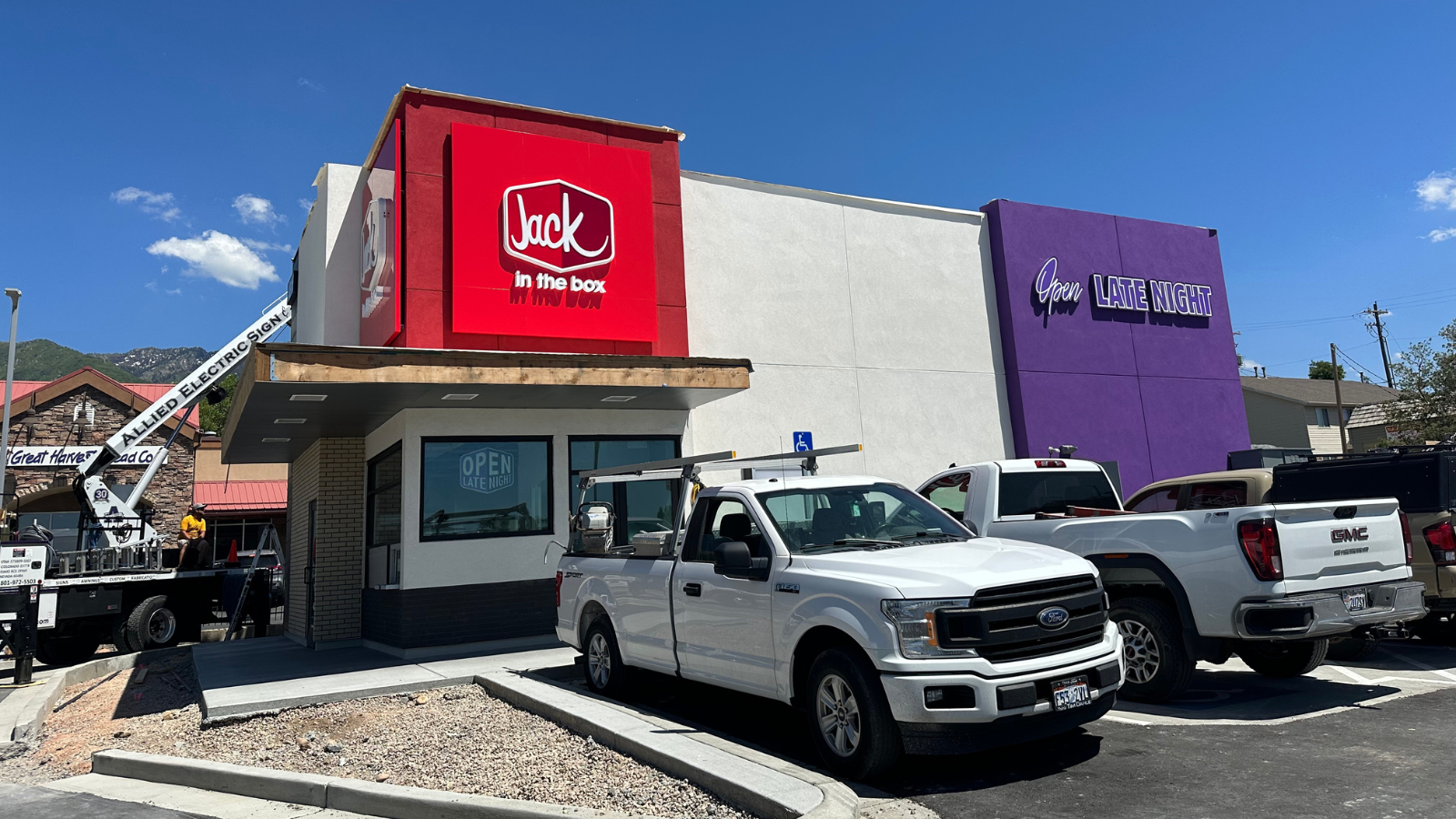
Are you thinking about investing in a Jack in the Box franchise? Then you're probably interested in how the construction process works once you get started.
The journey from a promising piece of land to a bustling quick-service restaurant (QSR) can seem daunting, but it doesn't have to be. Mike Wahrer, Jack in the Box's VP of Design and Construction, is here to demystify the process.
In this podcast, we will tap into Mike's decades of experience in the QSR industry. His insights offer a clear roadmap for both first-time and experienced franchisees.
Hi. My name is Dustin Thompson. You are here on the Franchising Unboxed podcast. I'm with my cohost, Mike Wootton. And we're here with a special guest today. We've got Mike Wahrer, VP of design and construction here at Jack in the Box. And Mike is gonna walk us through what it really takes, the support we provide, to you as a potential franchisee and our franchisees when it comes to opening a restaurant in the the construction phase. And I'm not gonna do any, you know, service of this. Mike's gonna do a lot better job of this. But welcome to, the podcast, Mike. Hey. Thanks a lot. Thanks for the introduction. Just tell you a little bit about myself as we get started. So, started my career in nineteen ninety when I graduated from Texas A and M with a degree in building construction. Went to work for Mobil Oil as a project engineer right away, and I was out there for a little bit and moved over to a general contractor, building service stations. And then a couple of years later moved over to QSR and went to Church's Chicken, and I handled about half the country for churches. And then in in late 90s, Jack was on a massive growth campaign, building over one hundred company restaurants a year. And so I joined the company in July of ninety eight, and you know it's haven't haven't left. Been here ever since. Had plenty of opportunities over the years to kind of move on, but I gotta tell you, man, this is a spectacular company to work for. I've I've stayed here on purpose. Great culture, great team. The people are awesome. And, you know, it's just it's worked out good for me. I mean, over the years as the company has kind of ebbed and flowed and changed strategic initiatives, you know, I've been able to kind of ride the wave. And, you know, today, I consider myself blessed and very fortunate to lead, the design and construction team here at JACK. And, you know, I'm sure I'm a little biased when I say this, but I I truly believe that we've got the the the very best, design and construction team in the QSR industry. I mean, I've been around for a while, and I know what what different folks can do and what they're capable of. And I'm really proud of the team we've got, and, you know, it's a great brand to be part of. Good time to be part of Jack. That's fantastic. So, Mike, tell us a little bit about let's talk let's talk macro. Obviously, the QSR industry is changing significantly. A lot of things have happened since COVID. What's going on in the construction, business in the QSR industry, quick service restaurant industry? What kind of trends are we seeing? What's been changing since COVID, in in your world? Yeah. So, I mean, over my career, there's been a lot of change, obviously, in in the QSR industry. It's really ramped up, though, since COVID, as you mentioned. I mean, inflation addressed, you know, we we see inflation cost pressures in all parts of our lives, and the QSR industry is not immune from that. I mean, we've got cost increases on labor and materials and, you know, fabricated goods and land costs and lease values. I mean, everything has gone up over the years, but we saw an appreciable spike, post COVID. And I and I can't overstate this enough. I think the other thing, that happened with COVID that is impacting the industry now, and you'll hear me refer to it, you know, today as we're kinda talking, but it's the change, in the experience levels within the industry. When COVID hit, a lot of the really experienced tradespeople, concrete guys, framers, plumbers, electricians, mechanical guys, they retired. And a lot of the really experienced folks at the cities, the people who knew how to navigate through the different departments and help you work your your, you know, your development project through their approval process, they all retired. So now what's left are you know, you have a handful of experience, folks, but things take a little longer. Things cost a little bit more than they did, you know, years ago. And so you just gotta you gotta kinda plan for that in your timelines on your deals and and just kind of assume that that's gonna be the case. I mean, you've you've heard Mike Rowe and these other guys, nationally talk about, you know, the trades, and and that's a hundred percent true. I mean, there is a huge need for plumbers and electricians. And and so for you to find the folks that are gonna do best on your project, you may have to wait a little while to find the right team out there. You don't wanna just put anybody on it. You wanna make sure you you pick you're picking the right experienced folks for your projects. Yeah. I think that's a that's actually a really good, point to make. I think walk us through. So when you talk about contractors, I mean, I know some brands maybe force you to go one way or the other. I know here at Jack, we have a a group. We keep a list, if you will. Kind of walk us through if when a when a franchise prospect's in the process of opening their first store. Let's just start with store number one. What do we provide them in regards to, say, things like contractors and and pulling all of those resources and, those skilled positions together to build their store. Yeah. So the good thing about JAC system that we've developed over the years, you know, we really try to be flexible with the franchise operators. And if you've got an architect or a GC that you have an historical relationship with, somebody you trust, you know, we can work with them. Our our ask is that they be experienced in QSR, new restaurant, drive through development projects, and that they'd be licensed in the jurisdictions that they're gonna work in. Short of that, we can work with pretty much anybody. I mean, we've got design managers on staff that will onboard your architect. We'll train them on our systems. We'll show them we've got fully engineered prototypes that we share with, with their with franchisees architects. We'll show them how to use those plans, how to help them knit them together to a a side adapt set, and then and then we'll work with them to track their project through the development process to to make sure we've we're maintaining all the dates and all the other folks in Jack know what's happening and when. We've got construction managers on staff that'll be working with the franchisee and their general contractor when the time comes, to answer questions and kinda help pave the process and help lead through the process to make sure we're ordering equipment on time, signage on time, make sure we're we're we're hitting the timelines that are that are set up for the project. So we're pretty flexible. We do maintain GCs and architects, as you said, internally. So if a franchisee wants to know which folks that we've worked with in the past that work also in the jurisdiction that they're in, we can share that information, and the franchisee is welcome to reach out to them. But if they've got a relationship with somebody, then we can definitely work with them there as well. Yeah. That's that's, that's really good stuff. I mean, that kinda leads into, my next question. A lot of our entrepreneurs that come to us may not have built a drive through, you know, commercial QSR building before. When you when you're starting from scratch with someone who's new, what are the what are some of the misconceptions that people have when they come to you ready to kinda go? They've signed up for their development agreement. What are some of the things that you'd like for folks to know going into this that would make the process a little bit easier if they haven't done this before? So I think there's probably three misconceptions out there that we kinda stumble across in different projects. One, how much do they really cost? You know? And from site selection all the way to selling hamburgers, what does that process? How long does that really take? And what steps do you really need to follow? And then, you know, getting more tactical, what size and shape of properties are we really hunting after to to put a new jack in the box in? I think there's misconceptions in those categories, in those areas, that we, you know, have to navigate through on these projects, work with franchise operators. As as I mentioned earlier, outside of inflation, and cost increases, municipalities have also changed the rules over the years. They've gotten a little more complex in terms of what their requirements are. They want a little more say so in what the buildings look like, and maybe they've got drainage requirements and some other things that might impact the the overall development. So it's important that, you know, that you do your homework on the front end of of your due diligence period to make sure you know what you're walking into. And, honestly, I know we've talked about contractors a little bit, but there there's no substitute for the franchisee hiring a highly qualified, experienced group of professionals that are architects, engineers, and contractors for them to work with. Having the right team help them develop the restaurant, in in many cases, can help them make or break the long term success. If the if the site design is correct, if it's executed correctly, and they can support the the, you know, future growth and sales correctly, that that restaurant's set up for success. But if the building's positioned wrong in the property, if the access is wrong, if they don't have enough turning radiuses and cars are driving over curbs all the time, I mean, it's gonna impact guests wanting to ever come back to the restaurant. It's gonna impact long term sales. So it's really important that that that the right team of professionals be assembled, to help drive a new restaurant project for success. So with all of that, obviously, there's timelines that we put into place, and we have estimations. And and as Mike mentioned, I mean, sometimes it's hard to estimate those things. There's a lot of moving pieces when it comes to opening a restaurant. But internally, Mike, I know we have, we use LucerneX to track those projects. Kind of explain what LucerneX is and why that's a value to someone either just o looking to open the restaurant for the first time or even an experienced franchise operator that's wanting to come in and and really embrace our system. Why is that important? So as you mentioned, we use the as a project management system. It's kind of a just in time project management system. And what we use it for is a lot of internal coordination and communication with other departments inside of Jack in the Box. I mean, we're our construction managers are gonna reach out to, you know, the franchisee throughout the course of the project and and the franchisee's architect and the franchisee's general contractor to say, hey. Where are we at in the project, and are we tracking along the timelines? And so the construction managers publish our schedules of our new restaurant projects, and that's really critical. I mean, you've got you've got timelines you need you need to anticipate for due diligence period for, you know, design permitting periods, entitlement periods, then you go into the construction phase. And all along the way, your other other entities are are coming into that project. Right? You've got kitchen equipment consolidators wanting to know when they're gonna when equipment needs to be ordered and when it needs to arrive on-site. You've got sign vendors wanting to know when they need to pull sign permits and when signs need to show up on the property. You've got a whole host of other vendors, Coca Cola, and NewCo two, and, you know, the the shortening disposal company. All these different companies that support a new restaurant, they have to get their information from somewhere. And so the way our system is set up, the Centimeters is kind of the hub of getting all the the dates forecast on a project, and we use LucerneX to track all that. And then as the project moves through its milestones, it is sending notifications out to all the other departments and entities within Jack in the Box saying, hey. They're starting construction. And so now IT knows, hey. You're gonna be ordering your IT equipment in the near future because you've got a forecasted, you know, con you know, turnover date coming up, and so you've gotta be ready for IT. Or marketing knows field marketing knows this restaurant's coming online about this time, so they're starting to work with you to plan for, you know, any of the, social media blasts and other information that they're working on. Everybody in Jack in the Box is using LucerneX information to key their department's support on your project. And so it's communication is is the most critical part of a new restaurant process. If you get started in construction and nobody on the Jack side knows when you're starting or when you're completing, nobody knows when to plug in and help support you and really drive success on that restaurant. So, we've we've got it mapped out, but it's flexible to where we can adjust our durations and timelines to support the needs of your particular project. Yeah. That's awesome. So, to take a half a step back, you're at the beginning of this process. Now you see all of these layers that go into it. How how would you what questions would you tell a new franchisee when they're interviewing a general contractor? What are some of the things that as an as a novice going into this, you would recommend that they should you know, they that they ask a general contractor or a general contractor show them work that they've done in the past? What are some of the things that if you're first time going through this, where would you start in that interview process on trying to figure out, do I select, you know, general contractor a or general contractor b or general contractor c? So that is a spectacular question. We we actually get we get asked questions like that pretty frequently, but a lot of times they're they're given to us in terms of, hey. My cousin, hey. My brother, hey. My best friend is a general contractor or works for a GC, and he promises he's gonna give me a good price on this project. And I would and that's great. And you've got an in. You've got an opportunity. But I would highly recommend that you do some research on qualified contractors. And, the questions that we ask when we're when we're interviewing contractors to come into, like, say, we're going into a new market and we don't know the market and we're meeting GCs for the first time, you know, we collect some initial general information about them and what kind of projects they've done, how long they've been in business, who their proprietors are, how how they're structured, how they're set up. We we we'll go to Dun and Bradstreet. We'll pull a D and B report on the company, and we'll find out, you know, what the industry thinks about their financial risk as a company. You'll also find out if they've got any judgments against them, which is could be important in your consideration set. We reach out to the Better Business Bureau to pull a report on the company from them, to find out if they've got complaints filed against them and how they've tracked that stuff. We'll ask them for a copy of their insurance certificate to make sure they're carrying all the proper coverages that you're gonna need as an owner on the property that you're gonna develop. I mean, you know, cars and vehicles and people and workers comp and things like that that could impact your your restaurant project with liens and other stuff. So you wanna make sure you're carrying the proper, insurance certificates. Getting a a letter from their bonding company. A bonding company is a third party company that's willing to financially stand behind the work that this GC is gonna do for you. So if you can get a letter from the bonding company that tells them that this company is bondable up to a certain amount of project cost, That's important. You wanna make sure that this company has been validated by somebody third party who's willing to stand behind them with a financial back. You know, and then I mean, the simple things. Get get a list of their projects from them, find out who their contacts were, and actually call them. Actually check their references. Call the owners that are like you, other franchisees with other other companies that they built for. Find out if they were good to work with. Find out if they change ordered them a lot or if they were good on change orders. Find out what their communication was like on the job site. How organized was it? How clean was it? I mean, get another owner's perspective on how they performed. And then check their check with their suppliers. Check with their subcontractors. Are they good to work with? Are did they communicate well? Do they pay their bills on time? All these things are really critical information when you're when you're selecting a general contractor because when you think about it, take a step back, this is one of the single biggest contract investments you're gonna make in your restaurant project. It is short of buying the land or or the least land value. This is one of the biggest contracts you're gonna write. And so it's important that you make sure you align with somebody, who can who can protect you and support you, but then deliver the product that you're looking for in the end. So does that sometimes, Mike, do you find let's talk about estimated cost and timelines. Do you find that a general contractor is typically what worth what they're you know, they they say you get what you pay for. Is this one of those instances where this is one of those times where you get what you pay for that's extremely important? And is that something as far as timelines, how does the general contractor affect the overall timelines? And if you'd like, you can walk us through, you know, what a general timeline looks like for a project. What are some of the things that extend those project timelines? Right? Is it permitting? Is it the construction itself? What are some of those things? Kind of walk us through those things and then answer those questions. Yeah. I mean and I can kinda handle the timeline that kinda cost together, what kinda walking through the how a project would be structured. Now, Now, obviously, in the beginning, you're looking for land. Right? So that you're either gonna buy it or you're gonna lease it, and it's it's locating that property, finding the right site that meets all the metrics that you're you and the real estate team are looking at, to support the brand. Once you kind of figure out where you wanna be, then all the work starts on all the the research, the soft costs, is what we call it. Hiring the architect, the engineers, surveyors necessary to do the research so you understand how the city or the municipality is going to look at your project and what kind of restrictions or requirements they're going to put on that. It could be state highway related, so maybe there's some state highway research that has to be done, or maybe there's some environmental research that has to be done, or you're part of a shopping center and there's shopping center research that has to be done because they may have CCR requirements on the deal. So getting that right team of consultants in the beginning, helping you do that initial research as you're going through that early LOI period on the real estate, I mean, that's pretty important. Right? So during that time, you're figuring out what type of requirements you're gonna have from the city, how long they're gonna take to get them, what submittals are gonna be required. That's all part of your your site evaluation research, kind of build it up during the LOI period as you're negotiating on that DIRTT. Once you get to the point that you're able to lock that, you know, lock that down and and you feel pretty good that the deal is moving forward and the real estate's locked up, that's when you begin to engage your consultants now on, alright. Now now that we're here, let's actually start the process of of doing some more, you know, research. We need to run soil borings out there to make sure we design the foundations correctly and and the structures correctly. You know, we need to, you know, work with the city on the initial planning approvals. And what other entitlement stuff? Does it have to be zoned? Does it have to be platted? You know, figure out what all the parts and pieces are that are part of that permitting and approval process and get all those vendors aligned moving in that direction. And then, you know, that I mean, in some cities, that could take ninety days. In, you know, some cities, that could take two years. It really depends on the jurisdiction that you're in. If you're small town Texas, small town central state in the country, maybe it's a a shorter time period. If you're on the West Coast and, you know, and Pacific Palisades, maybe it takes a lot longer. It really depends on, you know, the jurisdiction that you're in, what their requirements are. But as you move through that process, once you get through the building permit process far enough, that's when you begin to you bid your general contractors. And so you'll you've already kind of figured out some GECs that meet the criteria that you're looking for. You send this project out to bid. You go through the bid process and select the contractor. And then, you know, you you're able to pull the permits and and start construction at that point. You're gonna be ordering your equipment soon after that. Your sign vendors will be getting them started soon after that. Construction could take, you know, sixty, ninety, a hundred twenty days. It really depends on are you doing a conversion? Are you doing a new ground up? Are you doing a c store end cap? The the great thing about Jack is we're flexible. We can fit our restaurant into all kinds of different spaces, second gen conversions or end caps or c stores or freestanding. So depending on the kind of project that you're you're developing, we'll you'll have that set timeline for that construction, and then we'll plug it in all the deliveries towards the back. Then you've got your, you know, kitchen equipment coming in, be installed, energizing all the utilities, and then getting that restaurant open. So, you know, from from early site selection to selling hamburgers, it's not uncommon for us to have a two year timeline on a project. You know, sometimes it could go a little longer if we're running into some of the longer jurisdictions. And sometimes, depending on the deal, if you're doing a second gen conversion space and you're able to lock that dirt up pretty quick and you know that you're gonna get your entitlements because it's already has an existing drive through, maybe that's a project that can be done in twelve or fourteen months. But it really depends on the deal, and it depends on what what you're having to pull together to to get that deal done. Wow. That's a lot of great information. So I've got one last question for you. As a novice going into the the process of finding the location, are there any red flags or things that you would want to mention today that say, hey. This is something that you probably would wanna look for an alternative site. Is there something that you've seen in the past that, you know, that with with the dirt or the site itself, maybe it's the dimensions that, would say, hey. We just can't fit fit on this or this isn't gonna work. Are there any things that have come to mind where you've tried to make something work and it hasn't? So let people know, hey. If you find this type of scenario, you may wanna look for site b. Yeah. That that's a great question. And I and I can tell you it it's gonna vary. You know, if you if you are a stand alone property and you don't you're not tied into any shopping center or cross access points, you need you need two points of access. You've gotta be able to get a tractor trailer delivery truck. A sixty seven foot tractor trailer has to be able to drive into your property, stop, offload food and product, and use a motorized pallet jack to get in your back door, and then get back in that tractor trailer and leave your property, and they can't back up. So when you're thinking about your site plan and how big of a property it is, the the great thing about Jack, we're very flexible. We can manipulate, move, and adjust the restaurant into a lot of different scenarios. But there's a few basic must haves. You've gotta be able to get food into that restaurant to have a restaurant. You've gotta have a drive through lane that has enough cars in the stack to with with Jack's typically a Jack in the Box restaurant is seventy to eighty percent drive through sales. So it's really critical that your drive through lane be set up the right way with the right stack, the right turning radiuses, so cars aren't jumping over curbs. You know, you want it to be efficiently operated in terms of site circulation. So between the truck delivery and the drive thru lane access, I mean, that that covers most of your main constraints. And the kind of property, how big it is, really depends. I mean, if you're in a shopping center, say you're on a corner pad of a of a grocery store or a Walmart or something, and you've got cross access drives and you've got off-site access coming into the property and you can use some of their parking area off your property, maybe you can get by with a really small pad site that's big enough just for your building and just for the drive thru lane and your trash enclosure. Everything else you can share with your adjoining property owners. That's that's a scenario where you may be able to get away with a really small piece of property. Now they might be charging you more because they know they've already got utilities there, and they've already got all the access there, but the flip side of that coin is maybe you go down the street to where you've got a freestanding pad that now needs to be bigger because you need to be self contained with your own parking that the city requires and all the things that we've already talked about. So and you've got to provide your your access to where that truck can get in and get out. Your your customers can get in and get out. So it really depends on what the scenario is. But like I said, the great thing about Jack and how we're structured and the the way our kitchens function, you know, if we can get that drive through lane in there, if we can get a tractor trailer into that property somehow to deliver food, we can help you set that up for our restaurant. Yeah. No. That's like, the thinking about those things in the in in spaces, one question that we get a lot, Mike, is around second gen spaces or conversions, and you mentioned those a little bit. What are some common misconceptions about conversions? We one of the things we always hear is they're cheaper, though we know that's not the case. Right? Sometimes we we hear stories like that. Kind of walk us through some pros and cons of, converting a space. You mentioned earlier sometimes a shorter timeline, but kind of walk us through some of those pros and cons of those second gen and conversion spaces. Yeah. Second gen spaces are awesome, and that's what everybody's looking for now post COVID. Everybody wants drive through. And a big part of drive through is the entitlement process, getting the city to allow you to have the zoning to put a drive through in. A lot of cities these days have are restricting or through zoning. So sometimes getting a conversion space is the only way you're gonna get into that particular jurisdiction because they're not gonna allow any new drive throughs. So the drive through use is pretty critical. So on a conversion where you've already got a drive through, no matter what kind it is, that's a huge win right there just from a permitting timeline and a zoning perspective. That doesn't mean you're still not gonna have to go through all the jump through all the hoops with the city on the design review process, but at least you know the property is zoned to allow drive through. That's a huge part of it right there. When you get into the cost and stuff, I mean, you're it it the it really gonna depend on how old the infrastructure is in that building, and what does it look like. I mean, Jack has a very specific kitchen engine, and when I say kitchen engine, it's the it's the orientation of where the the cooking area is, where they assemble the food, and package it up, and hand it off to the guest out the drive thru window or at the front counter. Jack has a has a very specific requirement for how that equipment is oriented at because of the way that the jack systems are set up. The way the back of house is, you know, storage and walk in coolers and we that's pretty flexible. But that kitchen engine is pretty critical. And so when we're doing conversion projects with franchisees, we're trying to figure out the most economical way. With trying to minimize or not do any kind of major structural work inside that building. We wanna try to salvage as much plumbing, electrical infrastructure that exists today and really try to fit that kitchen engine in the the most cost effective way possible. That's the first thing on a conversion. And then the next thing is is really, you know, we can work with, the franchisees in terms of finishes. You know, maybe there are some existing floor tile or or, finishes on the building that we can work with that are somewhat you know, that are aligned or acceptable to our brand image. Other than that, it's it's a matter of just figuring out the infrastructure age. You know, is the plumbing electrical good enough? Is it new enough in code? Or is the city gonna require a bunch of updates? Or is the condition so bad that it just has to be replaced? So in in some cases, conversions are faster, and they're more cost effective. Yeah. No. That was great, Mike. Thank you for, you know, walking us through that. Kind of walk us through as well the construction manager. Part of what I feel makes Jack in the Box different is pretty much I always explain it. In every step of the process, you have somebody to a direct resource, dedicated resource. You have Mike, Wootton, and myself during the develop sales and development process. Then you handle you have a real estate manager during the real estate process, and then you have a construction manager who walks you through the construction process. Kind of walk us through what they do on a day to day basis and really why that's so valuable to a potential franchisee. That's a great question. So as you mentioned, you know, in the big scheme of things, when you take take a step back, you know, you guys are walking them through the sales, and we're partnering them up with the real estate manager to help them with site selection and that initial, finding the location and validating that it meets all the requirements of the metrics for that for for development. Once you kind of figure that out, though, now you've gotta get the architect started to do some site plan work and to do some initial research. And at the time that you make that initial submittal to corporate and you get the corporate, the JAC number approved or the restaurant approved, through the corporate committees, the very first thing that happens is we're gonna assign a construction manager to your project, and it'll be the one that works in that particular region that you're in. And the very first step in the process before we even go too far is we're gonna set up a kickoff call with you and whatever architect you're choosing to work with. And we're and we're gonna bring our design team in, our operations team into the meeting. And, really, it's it's just to talk about, hey. We found a site. You know, you guys have found a site, and you're you're wanting to develop. And we may have given you guys some feedback, early feedback on some site plan design stuff that came up during the initial approval process. But that initial meeting is really to go through, let's make sure we got the site plan laid out correctly. Let's make sure you're picking the proper building. Jack offers different prototype buildings. So let's make sure you're picking the building that meets the needs that you have with that property. And then once you pick the building, we've got some different options based on throughput volumes and finishes and some other things. So that we'll walk you through what those options are. You'll kind of kind of customize, if you want to call it that, kind of right size that building for your needs. But then from that moment forward, the construction manager really walks with you step by step through the process. And every two or three weeks, they're reaching out to you, and they're not trying to, you know, be a burden to you. They're really just checking in saying, hey. You know? And then they're walking you through step by step on what that process is. Hey. How are you doing on your LOI negotiations? How close are you to locking up your dirt? Hey. Has you have you had your architect start the site research yet? Have you verified that you got the right zoning? Have you found out what the permit process is gonna be at the city? You know, do you need a special surveyor, or do you need a special environmental consultant? And, you know, helping you kinda ask the questions through the process so that you make sure we're you're covering everything. Then as you get into the submittals, we're tracking when your project's going in for design, in for permitting, and we're tracking you with the city. And if the city requires you to make a bunch of changes. We're here to kinda help you, you know, adjust the building, as needed or the site as needed to meet the requirements. And then we're tracking you into construction. As I I said earlier in the presentation, you know, it's it's, it's a lot about right size or just in time project management. So we're making sure we're plugging you you in with the right resources on the KEC side, on the signage side, you know, making sure you're getting utility accounts set up and utility services at the right time, also that you don't end up with delays at the back end when you get construction completed and you wrap up. But it the I think what makes us a little bit different maybe than some of the other brands, out there is RCM walks side by side with you from the moment that that kickoff call happens all the way to the end. You know, and and we're not here to we can't do it for you. I mean, this is really gonna be you guys taking the lead, and we're just making sure that all the touch points are touched along the way. And and some franchise operators have pretty sophisticated development teams, in which case, we're just doing some quick check ins and we're tracking dates so that we keep all the other jack departments up to speed. Then again, some franchise operators don't have a a development team, and they need a little bit more support. And that's what that construction manager is really gonna kinda customize the support that's needed based on the kind of project that's being done. So, it's pretty pretty cool. We've had some really good success with the with the folks that we work with. So That's fantastic. Alright, Mike. I know I said I had no more questions. I do have one more. It's a bonus question. We've gotten so much great information from you. I've got one last question that's gonna be open ended. If you're a new franchisee and you're in the beginning of the construction process, what is one tip you would offer them that would help them run through the process, without with with less surprises and and and as as smooth as possible? That's an excellent question. One thing that I think we've heard a lot, from first time developing franchisees when they get their first project done is, I wish I would have yada yada yada. And the and the answer that we hear frequently is, I wish I would have done a little bit more, analysis and research before I picked my general contractor. Because you gotta remember, when you're out there courting new GCs, everybody's gonna tell you what you wanna hear, and they're gonna give you all the information. And there's only so much, you know, that you can research publicly. And when you contact vendors, I mean, sometimes they can't or they won't choose to give you all the details, and so you've gotta kinda work through that process, you know, as you're evaluating. When you go to bid a project and you're bidding two or three or four general contractors, the the most critical part of this is when those you look at the plans, you make sure the plans are clean, so you've got on your team's looking at those plans, make sure the scope's correct with your architect. You send it out to bid. The bids come in. Right away, you're gonna say, oh, this guy is gonna be low cost. Hey. I'm gonna I'm gonna talk to this guy right away. Before you make any decisions as those bids come in, in most cases, general contractors are also gonna submit to you, along with their bid, they're gonna submit to you a list of things I'm including and things I'm excluding. And it's all in fine print, and it's usually a separate attachment. But it's really critical that when you're doing the bid analysis on a project, make sure you read through all the inclusions and exclusions and then think about them between the contractors. Like, this one guy included this, but this one guy excluded that. Well, as an owner, I want that included. So what you wanna do is go through those inclusions and exclusion lists in detail and develop a list of questions. And then you go back to those contractors and say, hey. You said you didn't include this, but I want that included. Or you said you only included, you know, a hundred foot of this, but my plan show that I need three hundred foot of this. So I want I want it I want it the way, you know, the way the bid's set up. Make sure you get all your contractors aligned apples to apples. Because when you're all done with that process and you've validated and verified all the different scope items with the different GCs and what they've included and not included, The the guy you thought initially that was low cost might actually not be low cost in the end. It may be the the guy who initially was a higher cost, once you did all the research and figured it out, hey. He's really the lowest cost once I've conditioned all these numbers out. So just, you know, take take the numbers in initially. That's fine. But make sure you go through them with a fine tooth comb and and really vet and validate those numbers. Because I will tell you, it is much cheaper to get get it included with the bid than to pay a change order on it later. Because on a change order later, you're paying full freight on everything for markup. So spend the time, take a little take an extra week if you have to to to go through that information, and and that's that's probably the one thing most franchisees tell us the first project to do. They'll be like, man, I wish I would have spent more time really reading the fine print of these bids because he excluded this or they excluded that, and I ended up having to pay for that with a change order. So, yeah, definitely take your time and do the research and and get get them apples to apples before you make a decision. Thanks so much, Mike. This has been, amazing. I mean, the amount of information you've been able to share with, with everyone is is just super impactful as people are are kind of investigating, moving into, a QSR business. And, on behalf of Dustin and myself, thank you so much for being so gracious with your time today. We hope this podcast has has given you a better understanding of the, of the construction support that you'll receive here as a franchisee at Jack in the Box. If you're ready to begin your franchising journey with Jack, simply fill out any form on our website, and, Dustin or myself will be in touch. We really appreciate everyone who's watched, and, look forward to talking to you guys next time. Thanks again.
The QSR construction industry has evolved significantly over the years, with recent changes accelerated by the COVID-19 pandemic. Two key factors now shape the landscape: inflation and a labor shortage.
Inflation and Cost Pressures: Since the pandemic, there has been a noticeable spike in the cost of labor, materials, and land. This means that a project's budget and timeline need to account for these increased expenses.
A Decline in Experienced Labor: Many skilled tradespeople—from plumbers and electricians to city and municipal employees who handle project approvals—retired during the pandemic. This has created a gap in experienced professionals, which can lead to longer timelines and a need for careful contractor selection.
Despite these challenges, Mike emphasizes that it's still possible to build a successful restaurant. The key is to be prepared and work with the right team.
One of the unique benefits of franchising with Jack in the Box is the flexibility and robust support system provided to franchisees. Unlike some brands that might dictate which contractors to use, Jack in the Box is open to collaboration.
Your Preferred Professionals: If you have an existing relationship with an architect or a general contractor (GC) you trust, Jack in the Box will work with them. The only requirements are that they have experience in QSR drive-thru development and are properly licensed.
In-House Expertise: For those without a preferred team, Jack in the Box maintains a list of pre-vetted architects and GCs who have a proven track record. The company's in-house team of design and construction managers will guide you every step of the way, from training your chosen architect on Jack in the Box's fully engineered prototypes to helping you navigate the permitting and construction phases.
Streamlined Project Management: The process is managed using a sophisticated project management system. This system is the central hub for all communication and scheduling. It allows Jack in the Box to track your project's milestones, ensuring all necessary vendors—from kitchen equipment suppliers to marketing teams—are notified and ready to support you at the right time. This coordination is critical to a project's success and helps avoid costly delays.
For a first-time franchisee, the process can feel overwhelming. Mike highlights three common misconceptions people have when they begin a new build.
The true cost of development. Many people underestimate the total cost of a new build, which goes beyond just construction. It includes everything from site selection and land costs to "soft costs" like architectural fees and permits.
The overall timeline. While a conversion might be faster, a ground-up build can take up to two years from site selection to opening day. It's crucial to understand that a significant portion of this time is spent on due diligence, design, and navigating complex municipal permitting processes.
The ideal size and shape of the property. Not every piece of land is suitable for a QSR. Even if you find a location in a prime spot, a key red flag is a lack of space for two critical operational elements: a delivery truck and the drive-thru lane.
Choosing the right general contractor is one of the most critical decisions you'll make, and it's essential to do your homework. Mike offers a checklist of what to look for beyond a good price:
Financial Stability: Check their financial standing through a Dun & Bradstreet report to assess their financial risk.
Reputation and History: Look up their track record with the Better Business Bureau for any complaints and how they were resolved.
Insurance and Bonding: Request a copy of their insurance certificate and a letter from their bonding company. A bondable contractor has been financially vetted by a third party who is willing to stand behind their work.
Check References: Don't just ask for a list of past projects—actually call their references. Speak with former owners and other subcontractors to get a full picture of their communication, professionalism, and ability to stay on budget.
"You get what you pay for" is a saying that particularly applies to QSR construction. Hiring an experienced, highly qualified team is an investment that can significantly impact a restaurant's long-term success.
When evaluating a potential site, you'll likely consider a ground-up build or a "second-gen" conversion of an existing building. Both have pros and cons.
Pros of a Conversion:
Cons of a Conversion:
At the end of the day, Mike and his team are dedicated to finding the most cost-effective solution that sets you up for success. Whether it's a small pad site or a freestanding location, Jack in the Box's flexible design and hands-on support make it possible to fit a restaurant into a wide variety of scenarios.
So you've found the perfect site for your new Jack in the Box. What happens next?
From the moment a site is approved by the corporate team, you're not alone. We assign a dedicated Construction Manager (CM) to your project, who will serve as your personal guide through every step of the development process.
The journey begins with a kick-off call. This meeting is designed to get the project started on the right foot, ensuring all the key players are aligned from day one. On this call, we'll help you:
Finalize the Site Plan: We'll review the site plan and provide feedback to ensure it's laid out correctly for a Jack in the Box restaurant.
Select the Right Prototype: Jack in the Box offers various prototype buildings. Your CM will help you choose the building that best fits the needs of your property, your desired throughput volume, and the overall look and feel you want to achieve.
Confirm Your Team: We'll work with you and your chosen architect to get them up to speed on our systems and processes.
Once the project is underway, your CM will be your consistent point of contact. They're not there to micromanage, but to walk side-by-side with you, offering guidance and support tailored to your needs. They'll check in every few weeks to:
Track Milestones: The CM will help you stay on schedule, monitoring key dates for everything from your LOI negotiations to submitting architectural plans for permits.
Ask the Right Questions: For first-time franchisees, the CM acts as a development partner, helping you ask the right questions to consultants, surveyors, and city officials to ensure you're not missing any crucial steps.
Coordinate with All Departments: Using our project management system, your CM will keep every internal department at Jack in the Box—from kitchen equipment to marketing—informed about your progress. This "just-in-time" approach ensures that everyone is ready to support you when you need them, preventing unnecessary delays on the back end.
For experienced operators with their own development teams, the CM can take a more hands-off approach, simply tracking dates to keep internal teams updated. But for those who need more support, they'll act as a constant resource, ensuring all touchpoints are covered and the process runs as smoothly as possible.
There's one common regret we hear from franchisees after they complete their first project: "I wish I had done more research on my general contractor."
When you're gathering bids from contractors, it's easy to get sidetracked by the lowest price. But it's crucial to look beyond the initial number. Here’s a tip to help you avoid surprises down the line:
Read the Fine Print. Along with their bid, most contractors will submit a list of inclusions and exclusions. It's often buried in a separate attachment and written in fine print, but this is the most important part of the bid package. Read through it carefully and compare it across all the bids you receive.
Ensure an Apples-to-Apples Comparison. One contractor might exclude something you need, while another includes it. The one with the lower initial bid might end up costing you more in the long run through change orders. It is always much cheaper to get something included in the original bid than to pay for a change order later.
Take an extra week if you need to. Go through every line item and ask questions to make sure you're getting an apples-to-apples comparison. The contractor who seemed more expensive upfront might actually be the most economical choice once you factor in everything that's included in their bid. Doing your due diligence now will save you a significant amount of time and money down the road.
We hope this podcast gave you a better understanding of how the franchise construction process works.
At Jack in the Box, we work with our franchisees every step of the way in order to get their restaurants up and running.
Here are some additional online resources you may like to check out:
If you have any questions, please contact our franchise sales and support team.
Deciding whether to own or lease your franchise real estate in 2026 is a critical strategic choice that impacts your long-term ROI and operational...
For many aspiring franchise owners, the journey often begins with an exciting vision of their future business. However, as the process unfolds, one...
Venturing into the world of franchising can be an exciting path to entrepreneurship, offering the allure of an established brand and proven business...