2 min read

Why Open a Burger Franchise? Frequently Asked Questions (FAQs) Answered

Why Open a Burger Franchise? Frequently Asked Questions (FAQs) Answered
5:11

TL;DR Summary: 

Discover the key benefits, costs, and top questions about opening a burger franchise. Learn why burger franchises are a smart investment and get expert answers to the most common FAQs.

Introduction

Opening a burger franchise is an appealing business opportunity for many aspiring entrepreneurs. With established brand recognition, proven systems, and a consistent customer base, burger franchises offer a pathway to owning a successful business. This article addresses the most frequently asked questions about opening a burger franchise, focusing on the real value, key challenges, and actionable steps for new franchisees.

Why Open a Burger Franchise?

Burger franchises dominate the fast-food landscape, standing out for their popularity and business support. Here’s why investing in a burger franchise is worth your consideration in 2026:

  • Proven Business Model: Franchises provide tested operational systems and marketing support.
  • Brand Recognition: Established names mean instant credibility and customer trust.
  • Ongoing Training: Most burger franchises offer comprehensive grand-opening support and ongoing assistance.
  • Growth Opportunity: The enduring love for burgers keeps demand strong.

Burger Franchise FAQs

What Are the Benefits of Opening a Burger Franchise?

Benefits include immediate access to a proven brand, training programs, operational guidance, and marketing resources and the network of other franchisees in the same brand who can act as a support system as you scale your business.

How Much Does It Cost to Open a Burger Franchise?

Costs vary, but initial investments usually include franchise fees, real estate(sometimes), construction costs, equipment costs, licenses, and startup inventory. Many brands share detailed estimates upfront, and some offer financing options. A Jack in the Box franchise costs between $1,910,500 and $4,032,100. This number includes items such as building improvements, furniture, fixtures, equipment, IT equipment and installation, operating cash, your franchise fee and much more. You can find this information detailed in the FDD(franchise disclosure document. You can find more information here.

Do I Need Prior Restaurant Experience?

Not always. Franchise brands provide structured training and ongoing support. A passion for business and willingness to follow a system are more important. Jack in the Box does require that you bring onboard an operator with extensive multi-unit QSR management experience if you or your partners do not possess this experience yourself.

What Support Will I Get as a Franchisee?

Franchisors assist with site selection, build-out, marketing, supplier sourcing, menu updates, and more. Ongoing support is a key strength of franchising. Here are some of the things your payments to Jack in the Box get you:

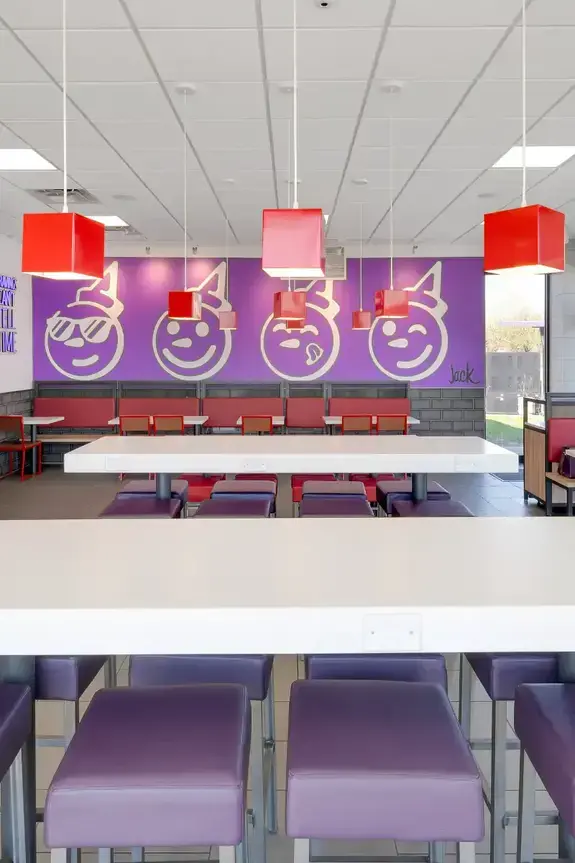
  • Use of the Jack in the Box® brand name, systems, logo, and store design.

  • A comprehensive JIB Management Training Program designed to prepare you for daily operation of your restaurant.

  • Site selection support.

  • Construction & design support. Conceptual floor plans and site plans are provided. These must be sealed by an approved architect before submitting them to local government entities.

  • Franchise development support and a step-by-step guide through the process of new-store layout, ordering of equipment, furniture, and fixtures.

  • Support and training assistance in pre-opening and opening.

  • Ongoing support from: JIB Franchise Business Consultants, the JIB Culinary & Innovation Team, and R&D. Plus, purchasing, distribution, and marketing support for local store.

How Profitable Are Burger Franchises?

Profitability depends on location, operational efficiency, and local demand. Researching local competitors and speaking with current franchisees provides valuable insight. At Jack in the Box, our Average Unit Volume is $1,986,186 as listed in our 2025 FDD.

What Are the Risks or Challenges?

Risks include market saturation, high operating costs, and competition. Smart site selection, disciplined operations, and brand partnership can help manage these risks.

What Steps Should I Follow to Open a Burger Franchise?

  1. Research top burger franchise brands

  2. Review franchise disclosure documents (FDDs)

  3. Assess investment and financing needs

  4. Attend discovery days

  5. Sign the franchise agreement

  6. Find a location and build your location

  7. Complete training and launch

Key Considerations for Future Franchisees

  • Location Matters: High-visibility, high-traffic spots usually deliver better results.

  • Franchise Fit: Choose a brand that matches your values, resources, and market.

  • Community Engagement: Actively connect with your local audience for maximum impact.

Conclusion

Opening a burger franchise offers compelling advantages: brand power, training, and a built-in customer base. By understanding the investment, taking a strategic approach, and leveraging franchise support, you can set yourself up for lasting success in the dynamic burger business.

7 Best Burger Franchises to Open in Colorado

Are you searching for a list of the best burger franchises to open in Colorado?

Read More

7 Best Burger Franchises to Open in North Carolina

Are you searching for a list of the best burger franchises to open in North Carolina?

Read More

7 Best Burger Franchises to Open in Mississippi

Are you searching for a list of the best burger franchises to open in Mississippi?

Read More